Project
Kadidoddi Community Centre
Location
Kadidoddi, Andhra Pradesh
Area
11,650 sft
Status
Proposed
“It is not because you are rich that you should waste material. It is not because you are poor that you should not try to create quality” Diébédo Francis Kéré
Community centres are vital institutions, especially in rural regions across the world battling with limited infrastructure and resources. They serve as places for community gatherings, collaborative problem-solving, social and cultural vitality. These centres simultaneously serve multiple other purposes like disaster shelters and healthcare centres, making them indispensable for a region’s smooth operations. To truly serve the community, these centres should not only be functional but also exemplify quality design, fostering connection, pride, and inspiration among residents. This proposal understands and builds on the context of Kadidoddi and traditions of rural India to create a practical design solution embedded in the roots.
Team
Sameer, Madhavi, Manal, Thejus, Satyam, Isha
Collab
Archsorming
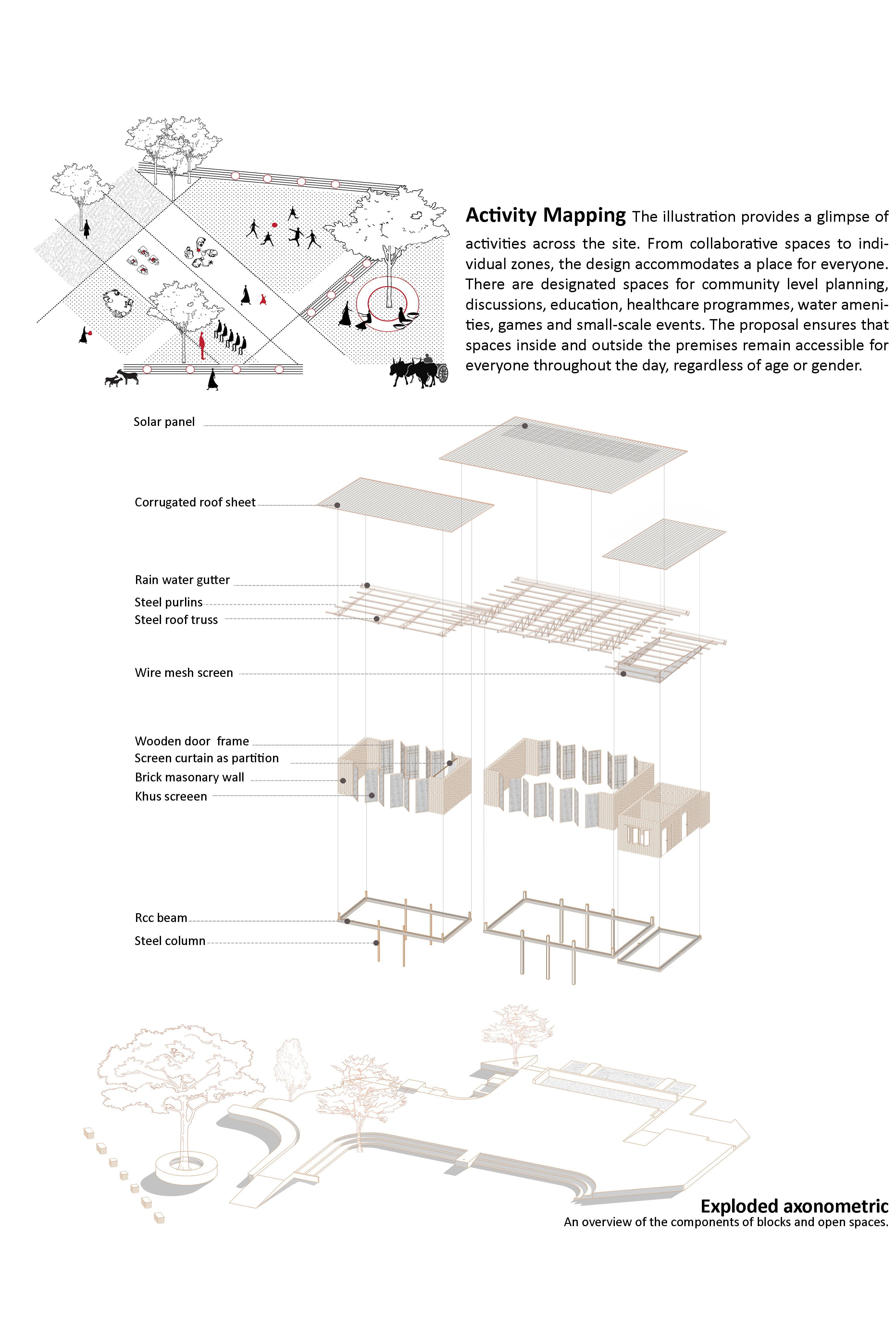
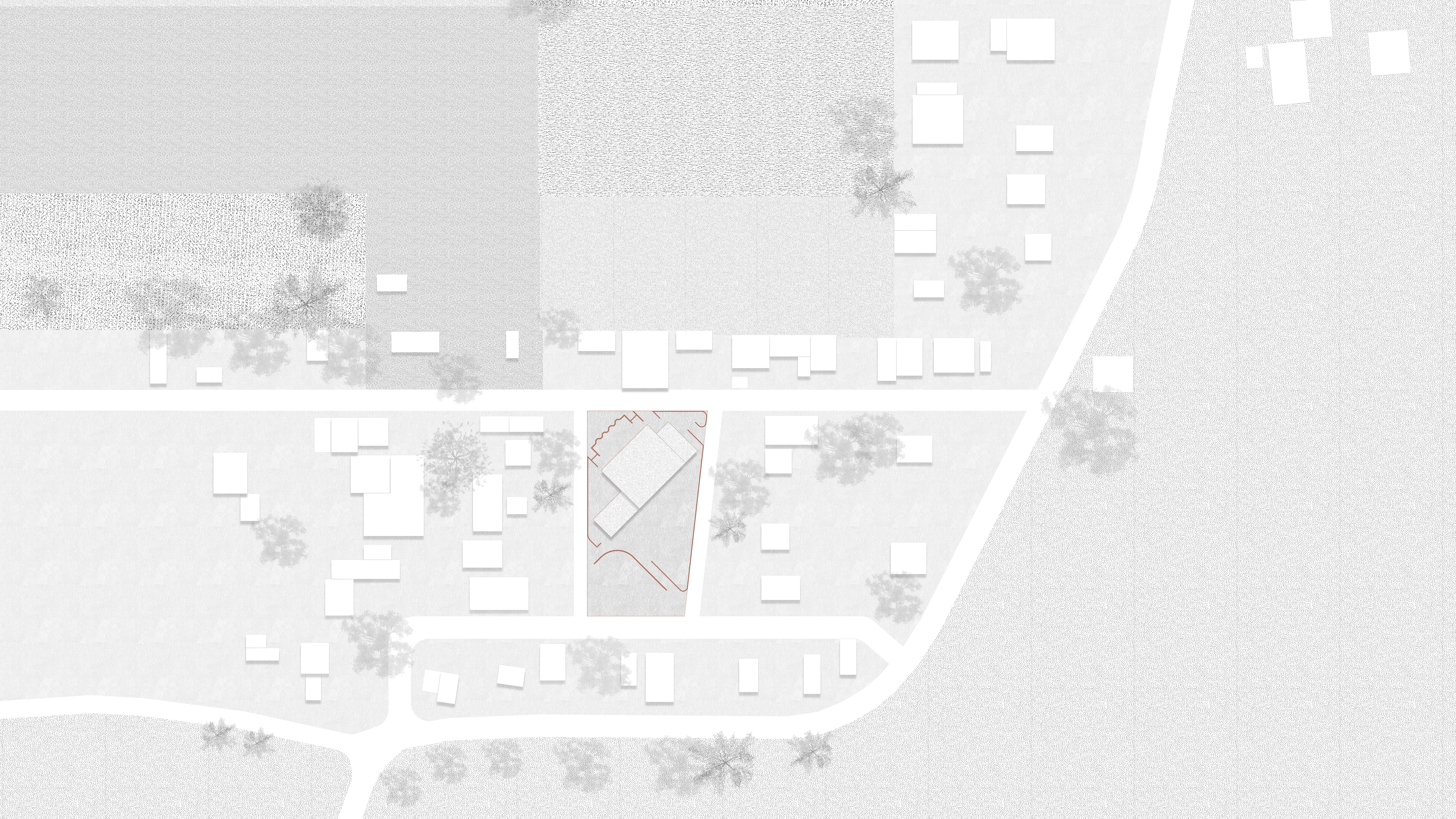
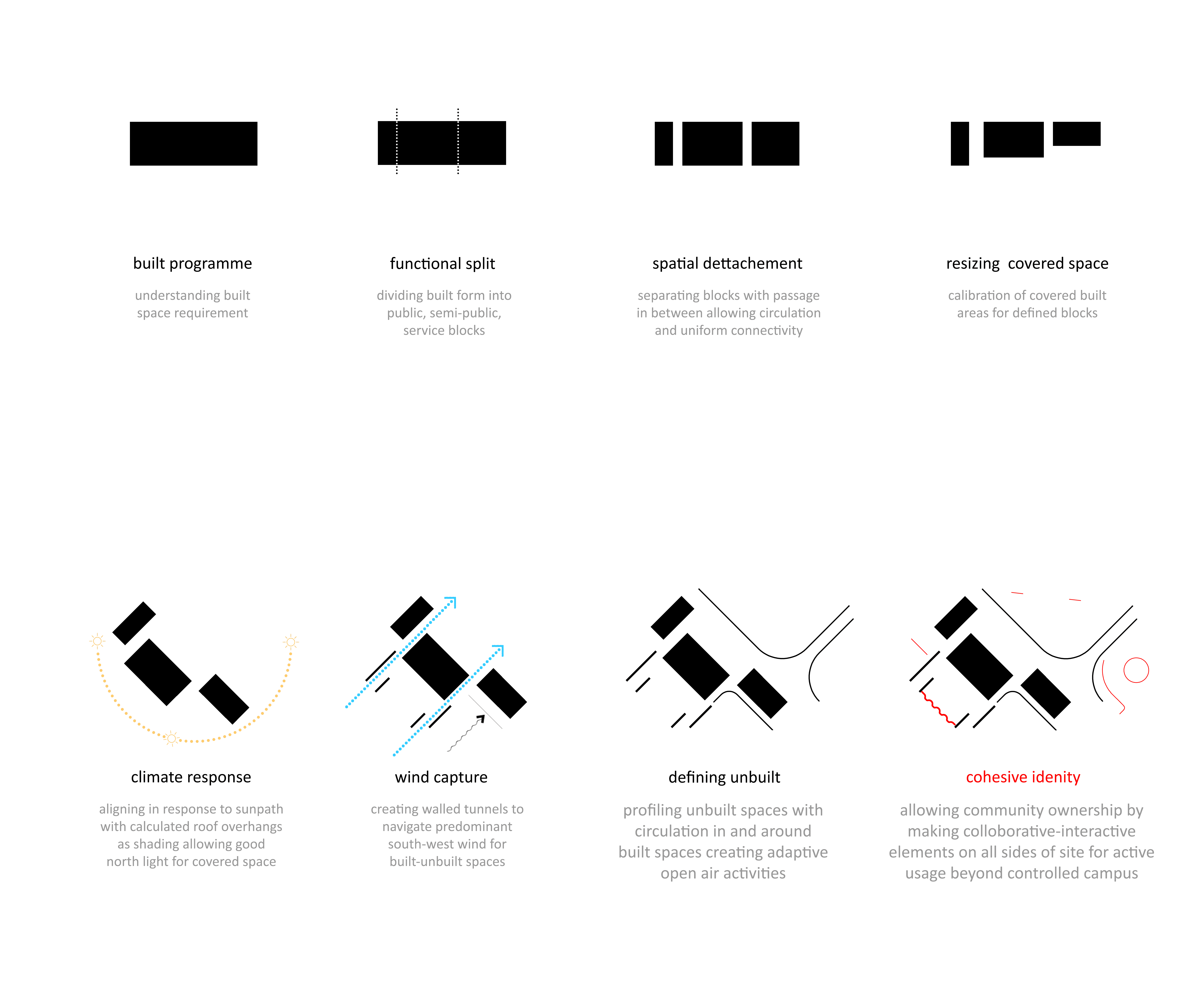
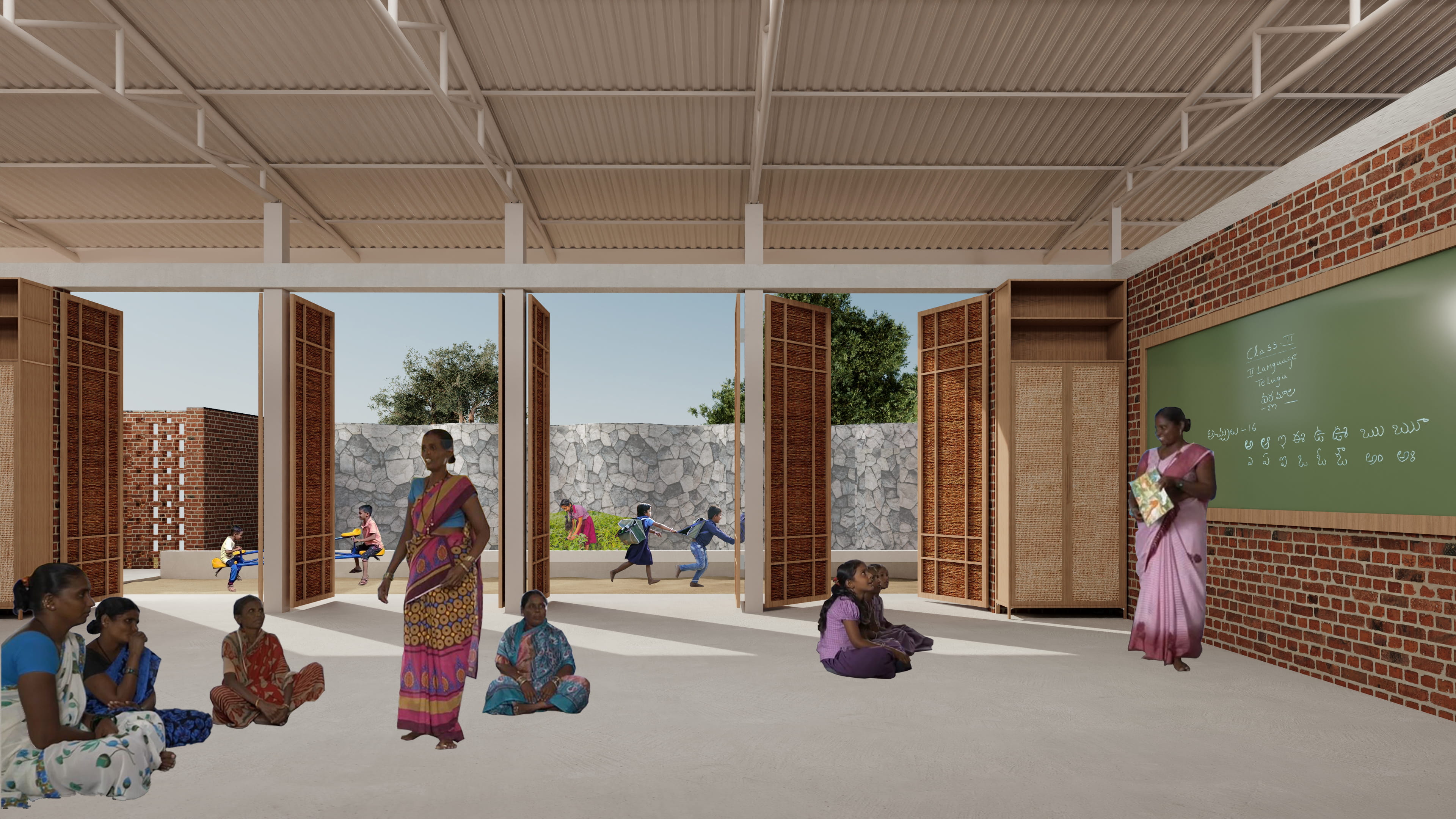
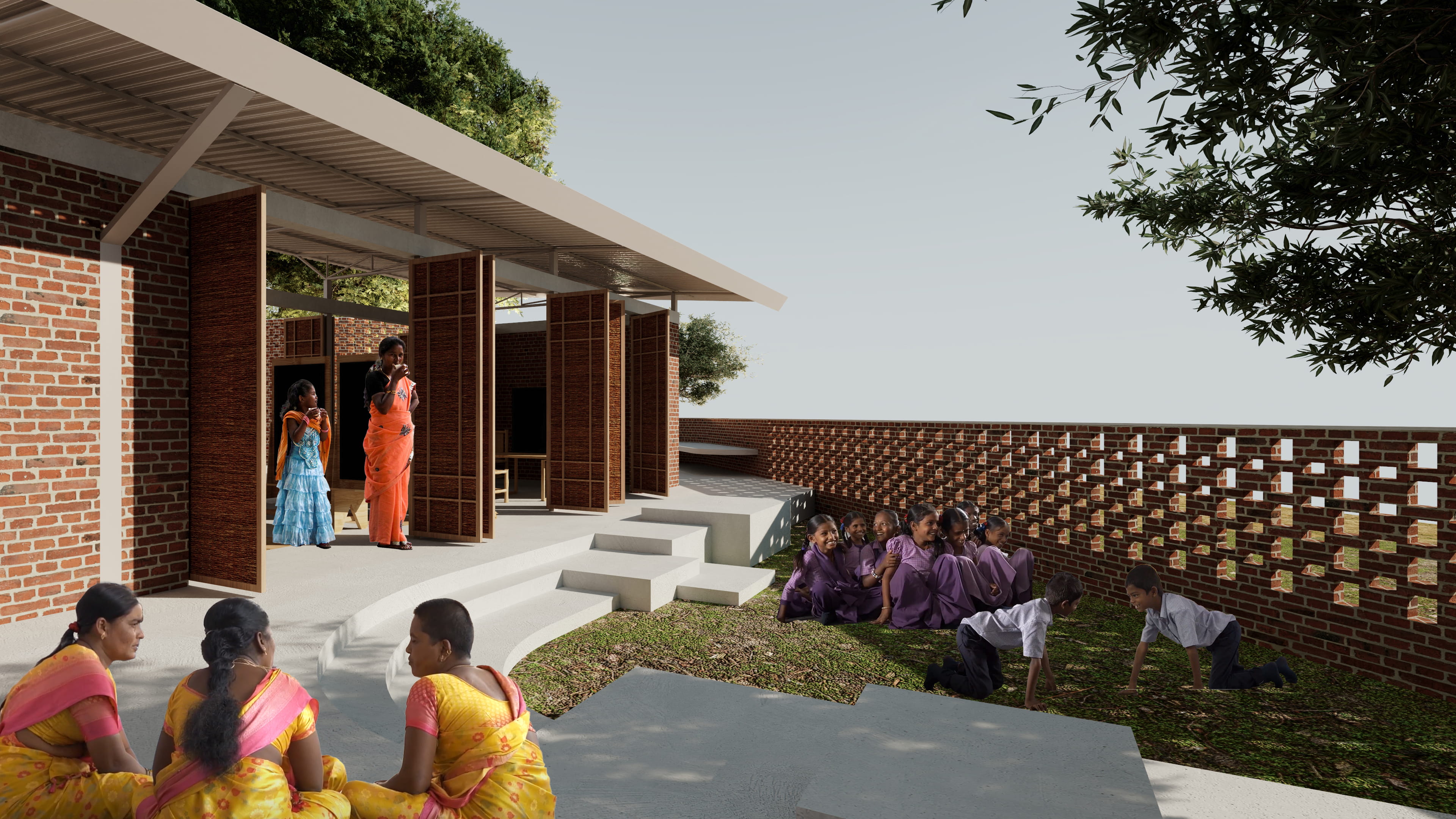
Modular, multipurpose enclosed spaces cater to anganwadi programs, education, healthcare, and community collaborations, offering flexibility and potential for expansion. Multi-purpose play spaces have been designated for games, discussions, sports and community activities. The design features scooped-out areas beyond the main centre’s boundaries, accessible at all times to ensure continuous community activity and prevent potential disuse over the time.
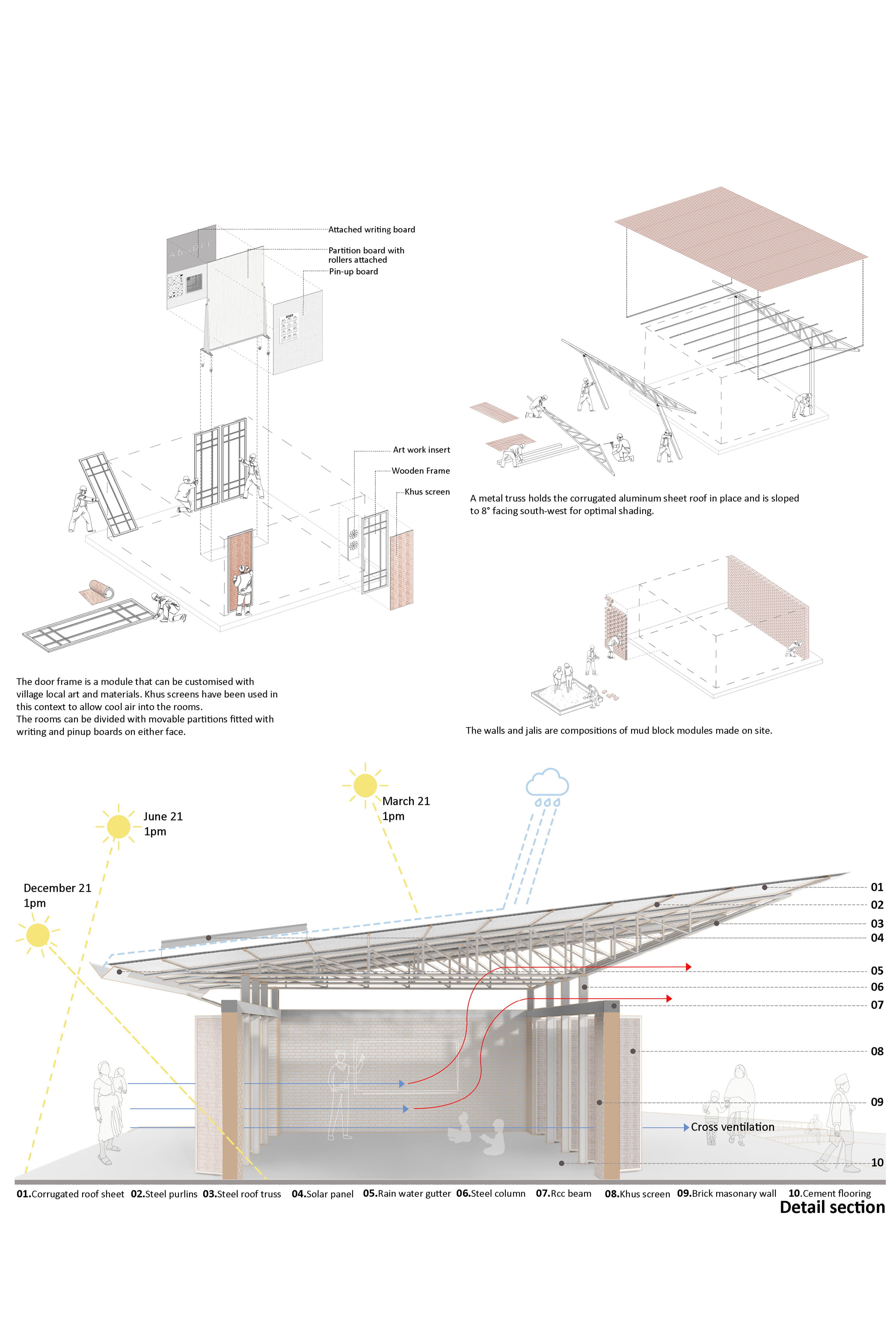
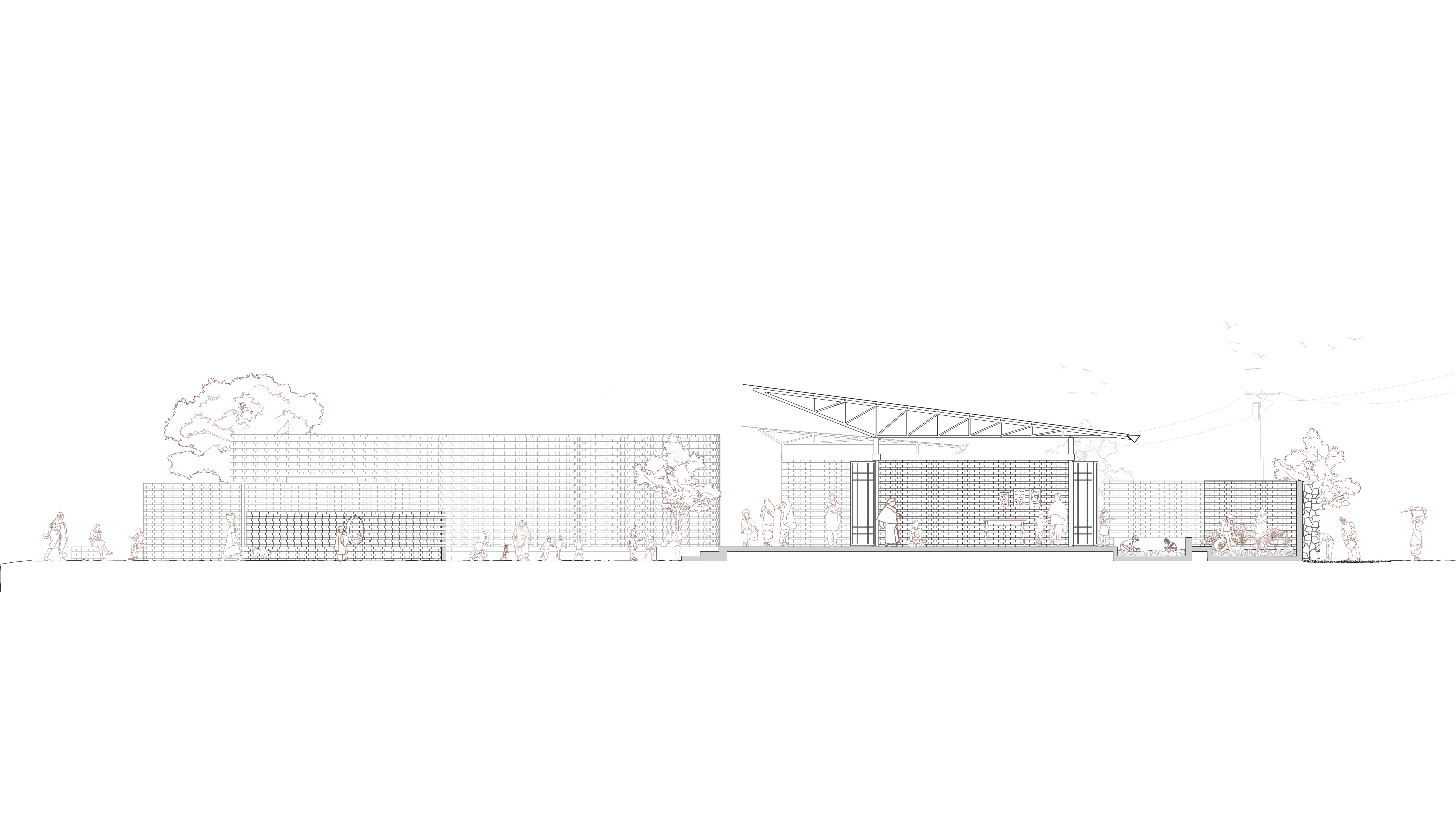
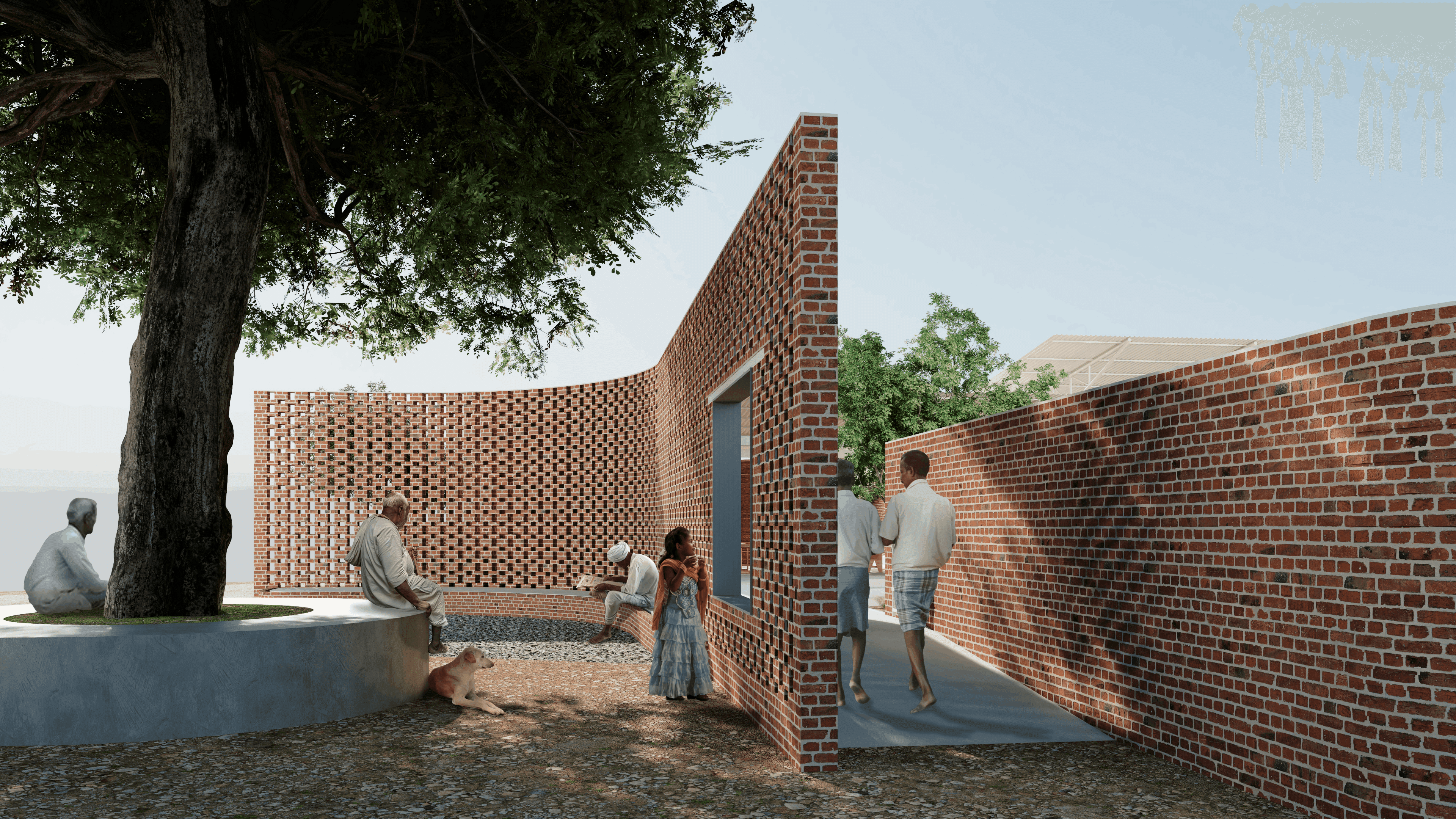
The design blends locally available vernacular and contemporary materials—brick, bamboo, steel, kadappa stone, concrete, and mud—for economic, durable, and low-maintenance solutions. Integrated into prototypical flexible modules, such as steel sections with brick jalis, they allow easy customization. Modules can adapt to local resources, like bamboo partitions instead of wood or metal panels, ensuring functional versatility.
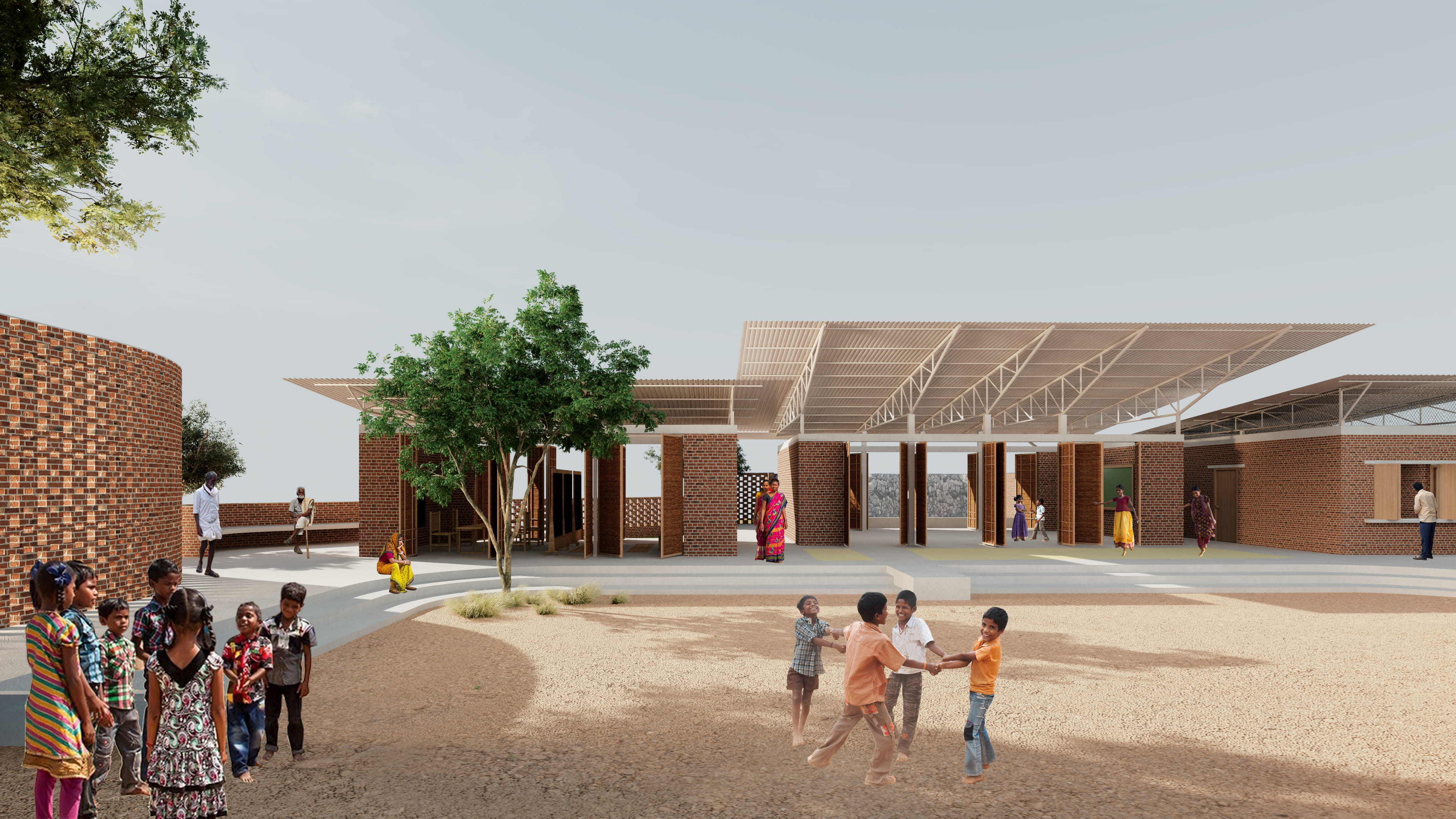
The roof design maximizes diffused natural light indoors while shading direct sunlight with overhangs across the verandahs. It also facilitates cross-ventilation with its slightly raised height creating openings between roof and the walls.
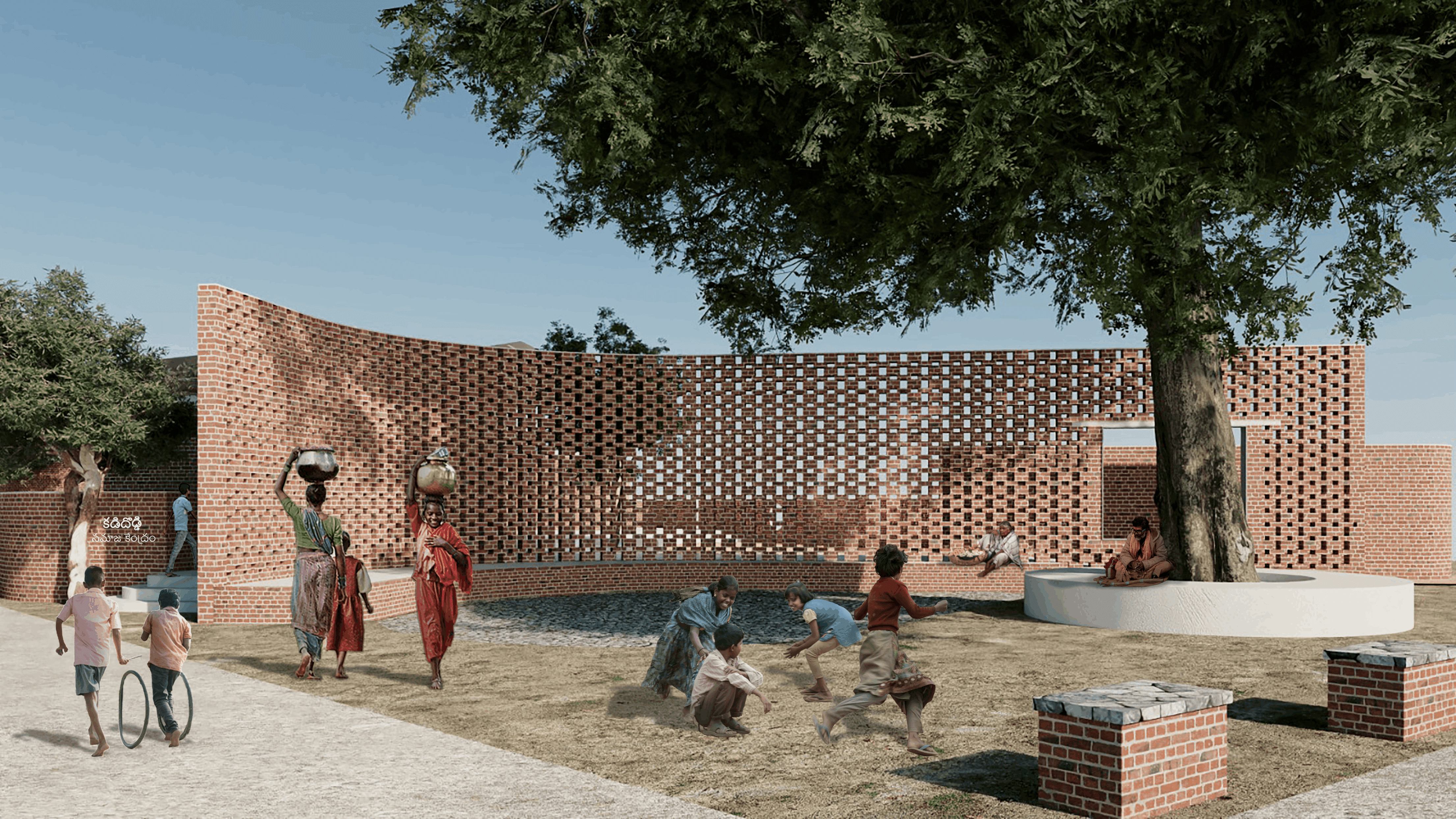
Brick jali walls further enhance aesthetic appeal and provide a visual connection outside the space. As a design ideology, visual connectivity has been maintained throughout key areas and across residences surrounding the site, ensuring inclusivity for the community members at all times. It also takes note of accessibility for everyone through a universal design approach.
The proposal identifies self-sustaining solutions for the community centre through provision of solar panels. It also responds to the long due issues of water provision through practical design solutions providing easy access to clean water. Overall, the intervention strives to build a dynamic, self-sustaining, inclusive space that not only serves but enriches the community through quality design.